Tag: astrophotography

  • The Mighty Orion

    The Mighty Orion

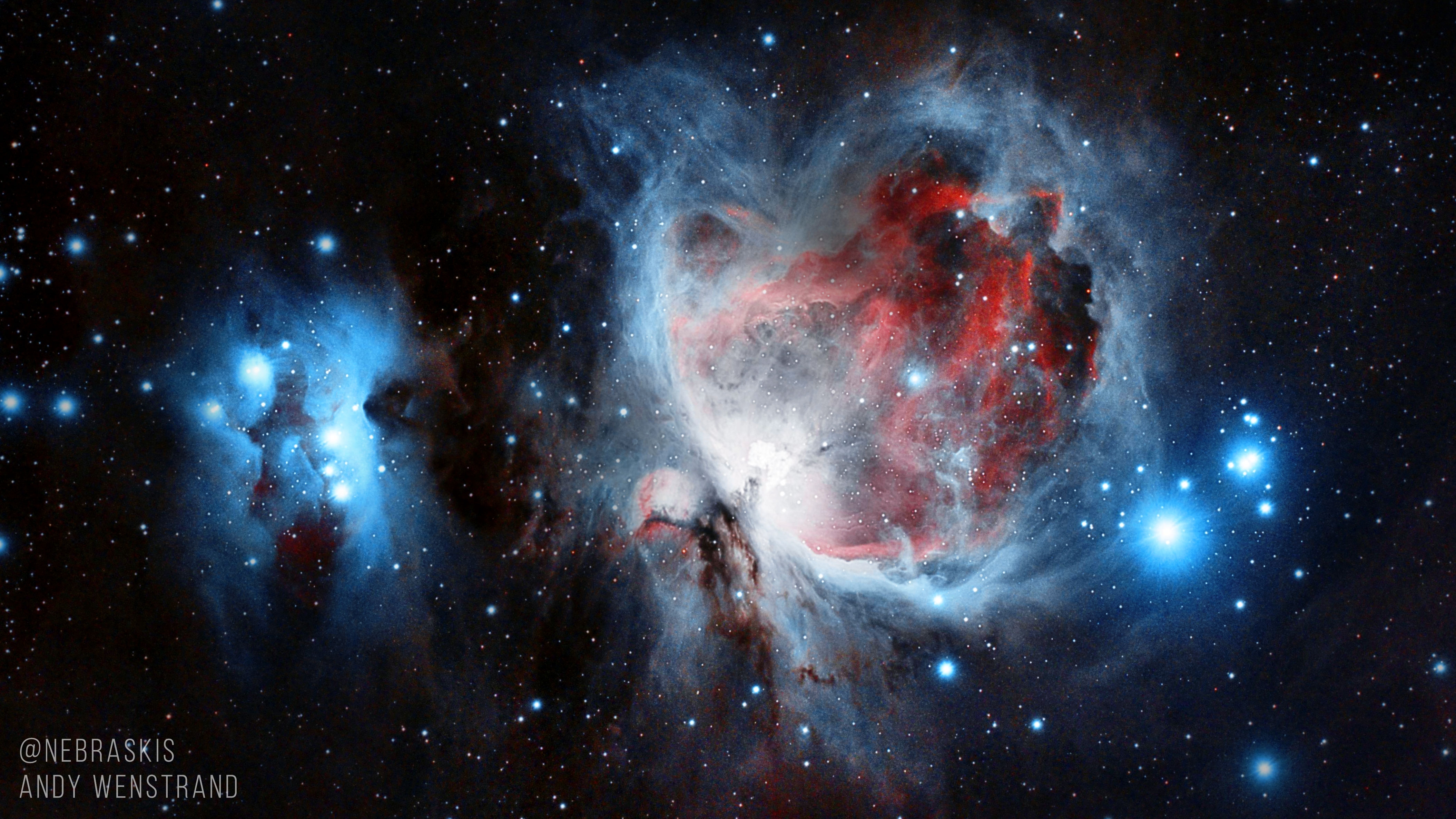
    The first clear night in weeks and I was itching to get out and try to get some images of Orion’s Nebula with the 5Ds I was borrowing from work.  Armed with a pretty crappy tripod – the $20 Walmart kind – and a remote trigger out of batteries, I still managed to have a pretty good time.

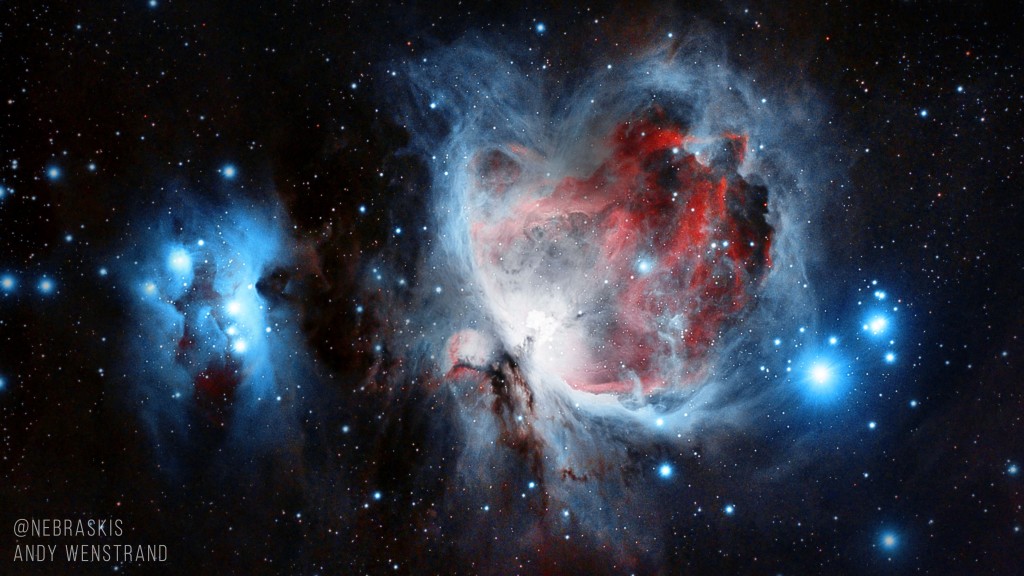
    I choose the Nebula because it’s ridiculously easy to find as it’s faintly visible on a moonless night, out early enough I could still be in bed by midnight and didn’t need to set up my entire rig to get some great images.  The humidity mixed with the cold air made the stars sparkle, which looks cool when you look up, but makes for some challenges photographing the sky.  The stacked images came out extremely blue and needed quite a few extra curve corrections and masks to pull the reds out of the core.

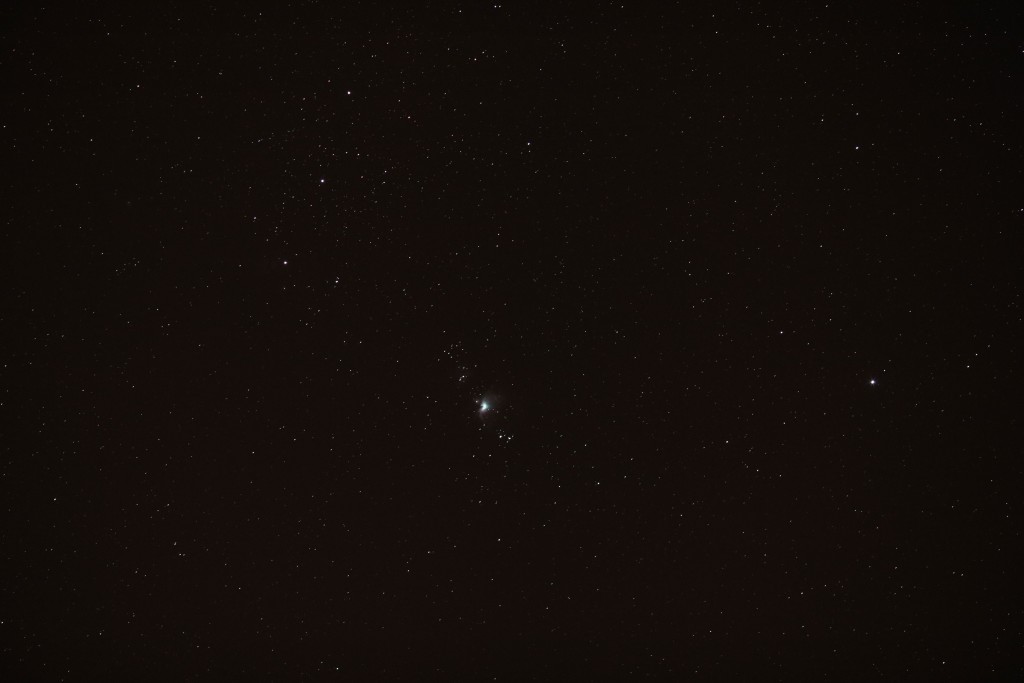
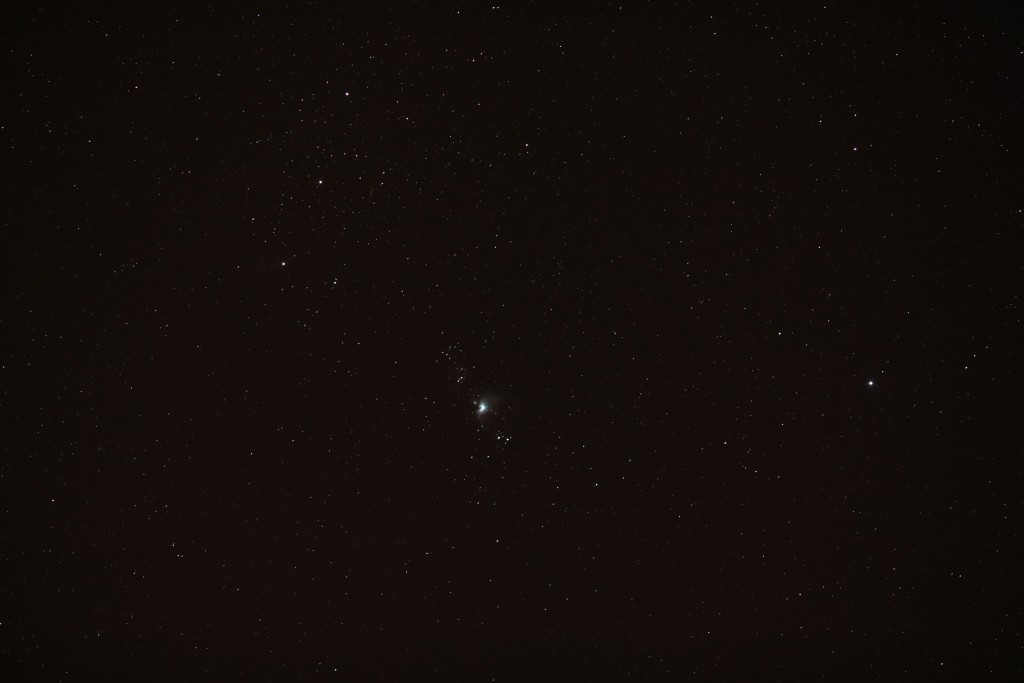
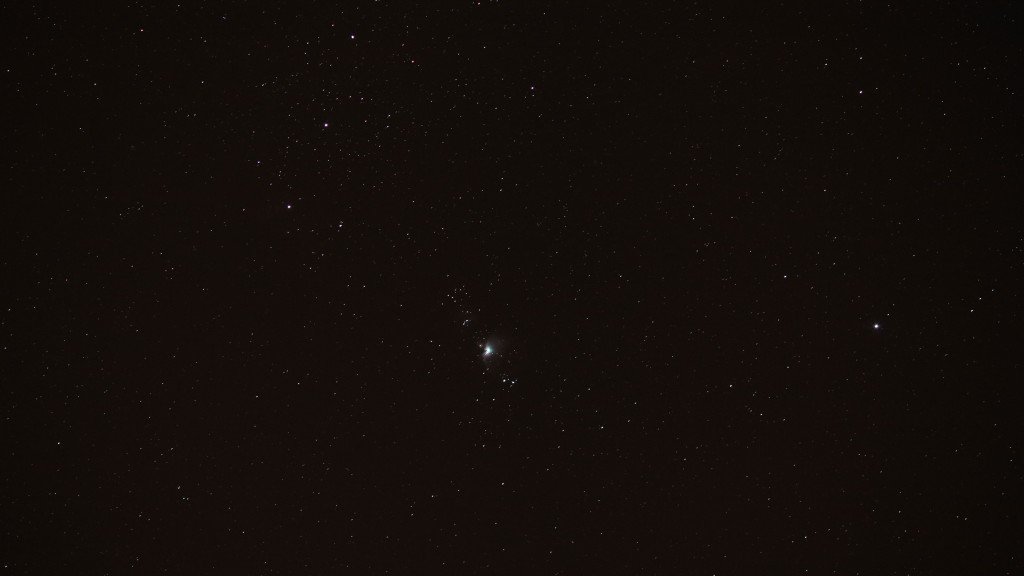
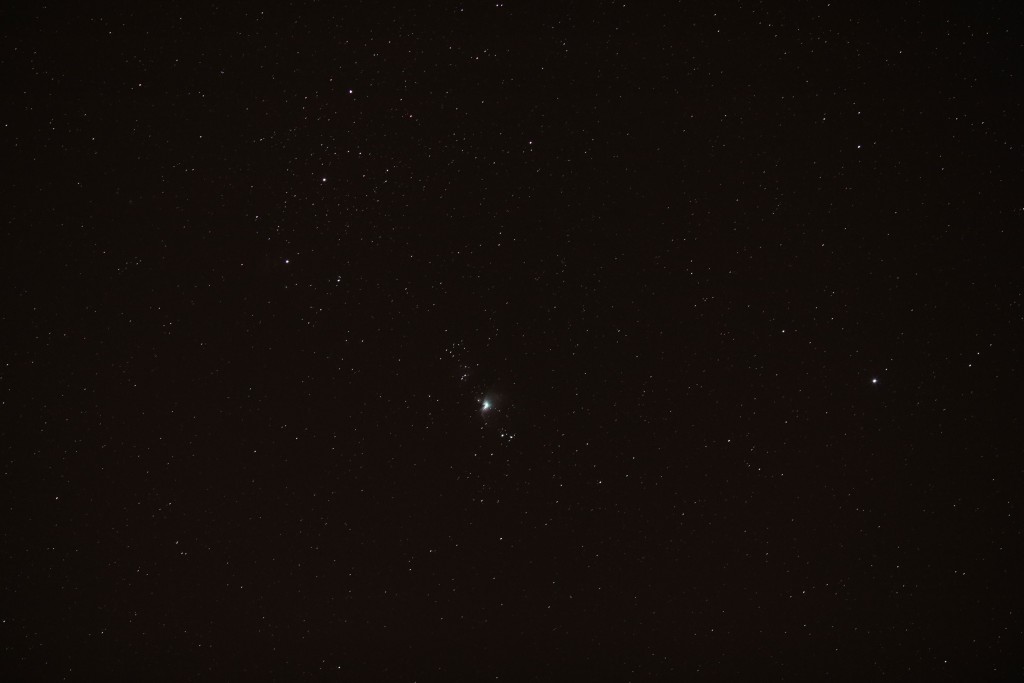
    Images were shot with a Canon 5Ds on a Canon 135mm f/2 lens at f/2.8 with a 4″ exposure at ISO 2000.  The final image is a composite of 90 stacked light frames calibrated and registered against 25 bias frames, 25 flat frames and 25 dark frames.  The stacking and initial color stretching was done with PixInsight and finished in Photoshop.

    Below are several light frames straight off the camera, with no editing.  The final, stacked image is below.
    035A3022 035A3021 035A3020035A3023 160101---m43

  • Shooting Stars

    Shooting Stars

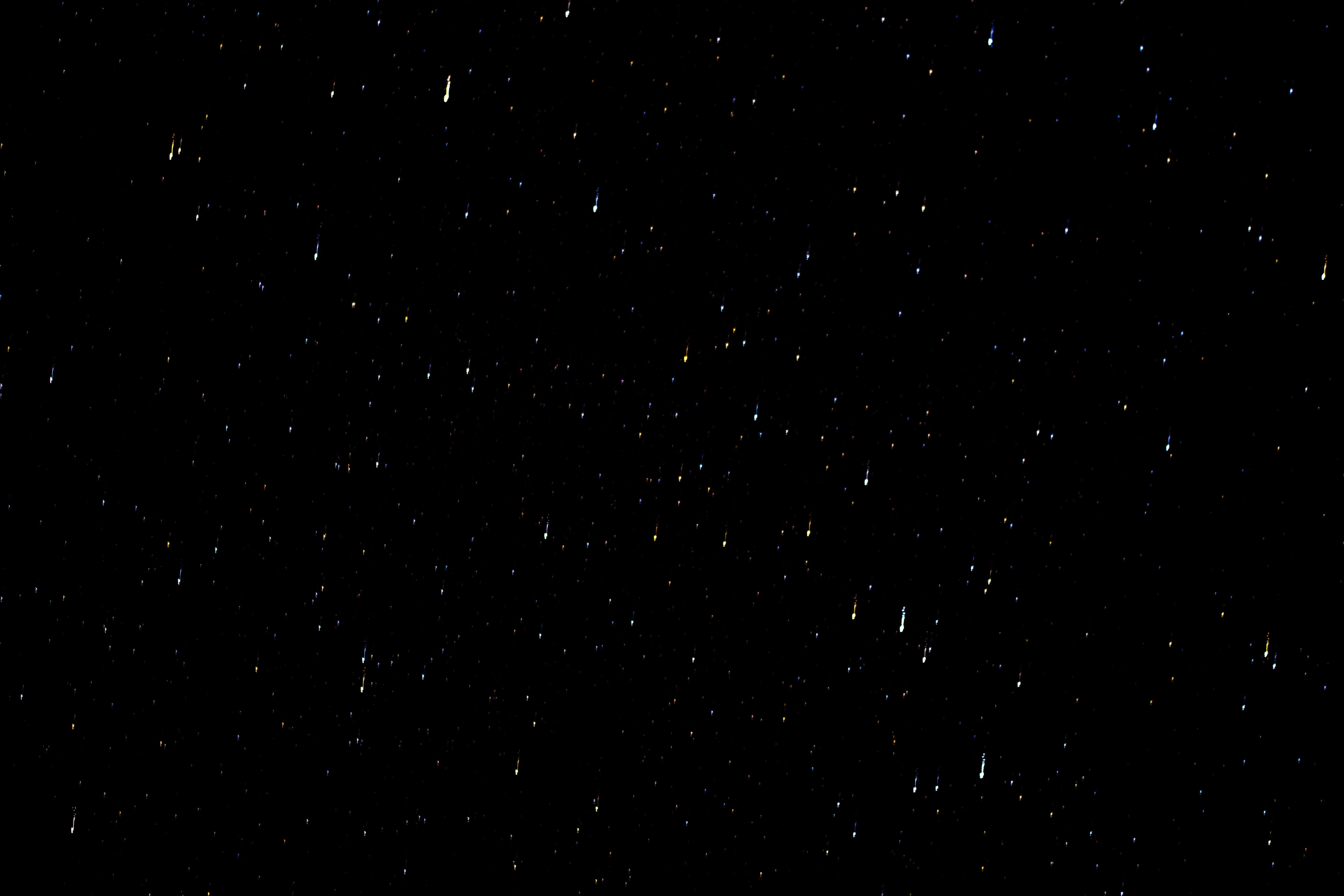
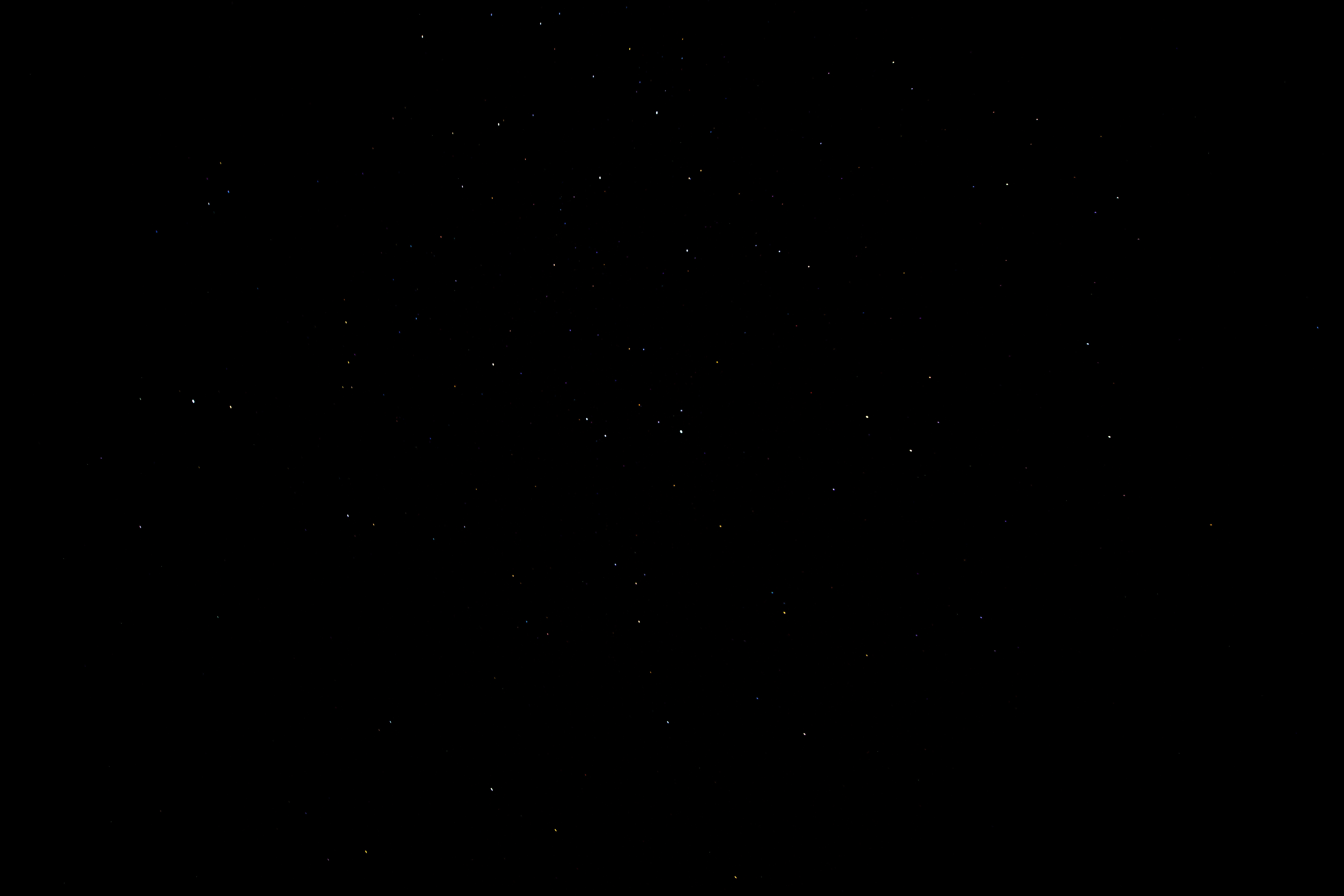
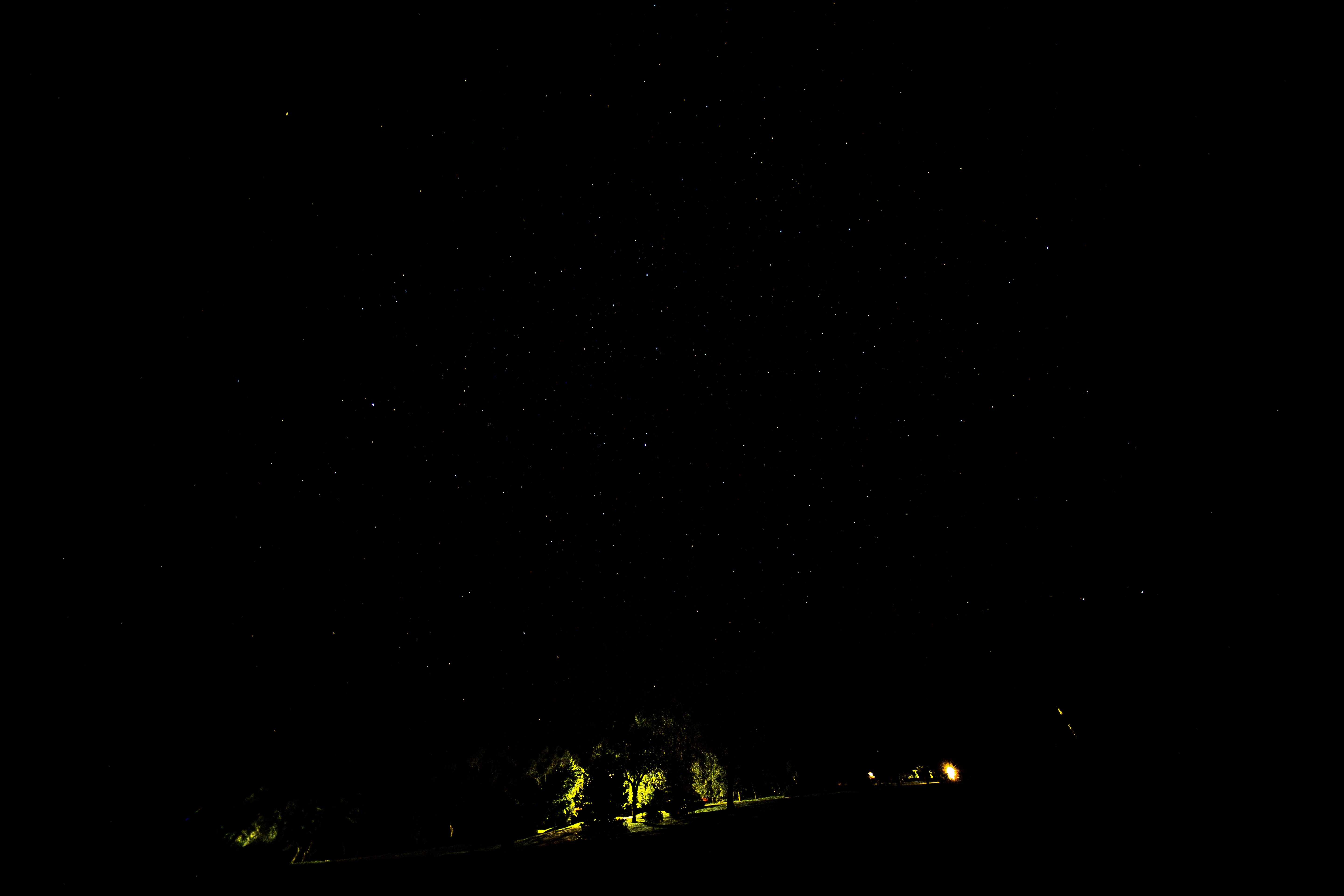
    On a clear autumn night, I took a drive just outside the Lincoln, Nebraska city limits, just west of Pioneers Park.  Shooting in different quadrants (somewhat randomly), I was able to capture quite a bit of color.  Sadly, I did not catch any of the six or seven “shooting stars” I watched streak across the sky.

    Images were shot with a Canon 5D Mark III on a Sigma 120-300mm lens (24mm lens for the campsite image) at f/2.8 with a 30″ exposure.


    151005-stars-001 151005-stars-002 151005-stars-003 151005-stars-004 151005-stars-006151005-stars-005

  • Super Blood Moon

    Super Blood Moon

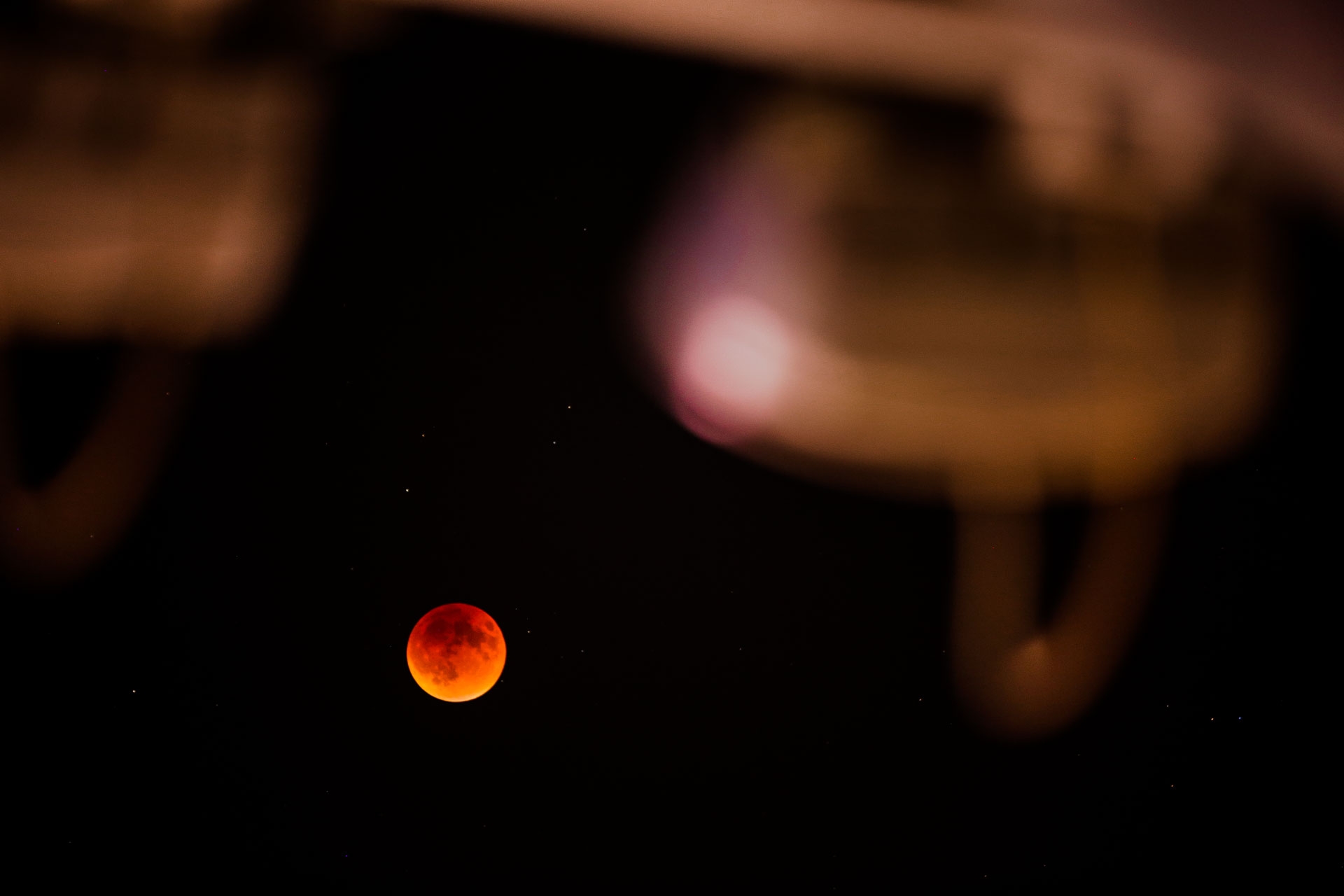
    The sun, the Earth and the moon lined up to become a Big Red Moon Sunday night.  With clear skies, and a little good luck, I perched myself and several cameras high atop Memorial Stadium to capture this possibly once-in-a-lifetime event.

    You see, the moon was a supermoon, a full moon at its closest point to the Earth.  The last lunar eclipse of a supermoon occurred in 1982.  It was the fifth occurrence since the start of the 20th century and the last for nearly 20 years.

    Through the eyes of a telescope, I was able to host a live broadcast over Periscope.  Through the stream, I discovered that many others were experiencing what I feared might happen in Lincoln – inclement weather.  I was honored to be able to share the spectacular sights and sounds of the Super Blood Moon from over 200 feet above Tom Osborne Field.

    Moreover, I am humbled to have nearly 12,000 people from around the globe spend some time sharing my view.  Below are several captures of the streams from start to finish of the Big Red Moon.

    I’d like to thank a few friends for being with me on the press box roof, helping in various ways.  H/t to Chad Chiesa, Kelly Mosier (and family), Matt Tomjack (and family), and Brooks Armstrong.

    Edit: Due to several requests, you will find a list of equipment used at the bottom of this post.

    With the help of Chad Chiesa, we were able to simulcast some “behind-the-scenes” coverage of the fun:


    EQUIPMENT USED

    Still Photos: Canon 5D Mark III – Canon 24-70mm lens, Canon 300mm lens

    Time Lapse: BlackMagicDesign Cinema Camera – 24-70mm lens

    Broadcast: iPhone 5S, 13mm and 17mm Celestron eyepiece, modified Celestron 1300mm telescope